
calenda essentials by our team
marmotas

A large, cloth sphere that is spun and danced through the streets to announce the celebration. It can be customized with your event's branding or names.
Tiliches
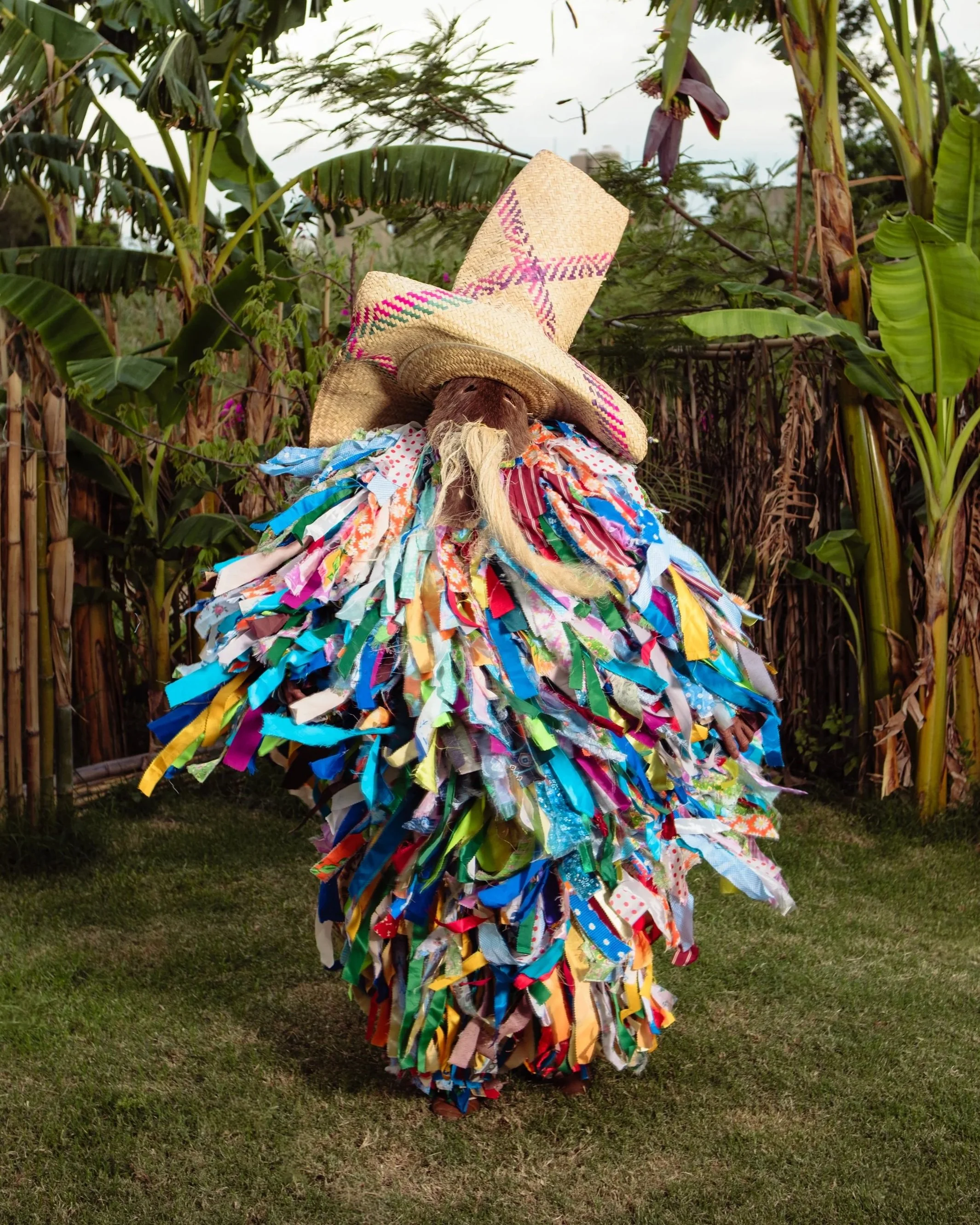
Iconic characters originating from the carnival traditions of Putla Villa de Guerrero. They wear suits completely covered in colorful rags and shreds of fabric, paired with masks made of palm or leather, bringing a playful, mischievous, and vibrant energy to the crowd.
Chinas oaxaqueñas
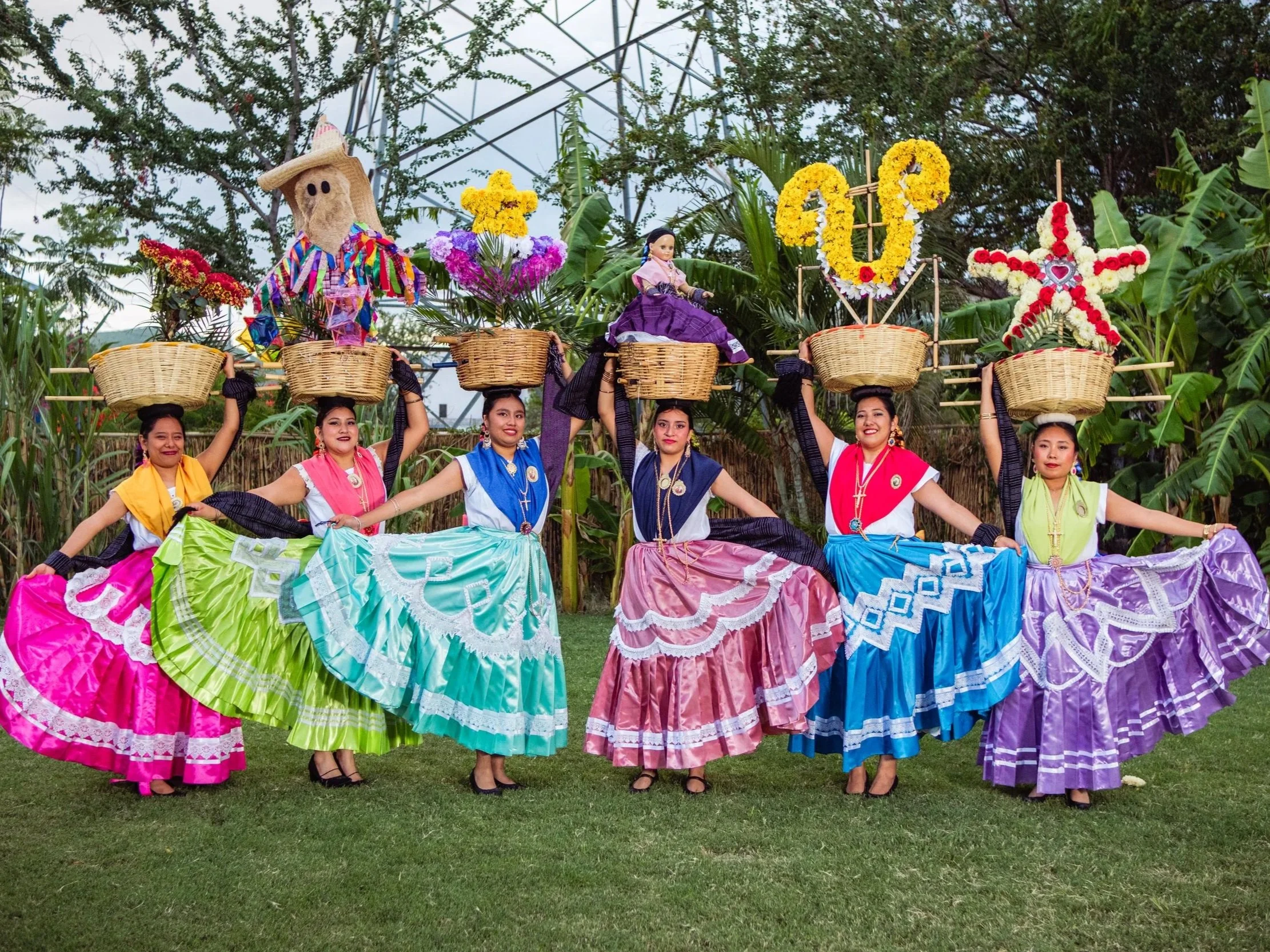
Traditional female dancers representing the old neighborhoods of Oaxaca city. Dressed in wide satin skirts and embroidered blouses, they gracefully dance while balancing decorated flower baskets on their heads.
Monos de calenda
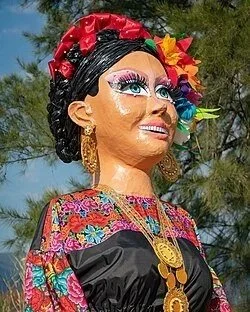
Giant, structure-based puppets made of papier-mâché and fabric, reaching up to 10 feet tall. Puppeteers wear them over their shoulders, dancing and twirling them around to bring high energy and movement to the calenda.
Faroles
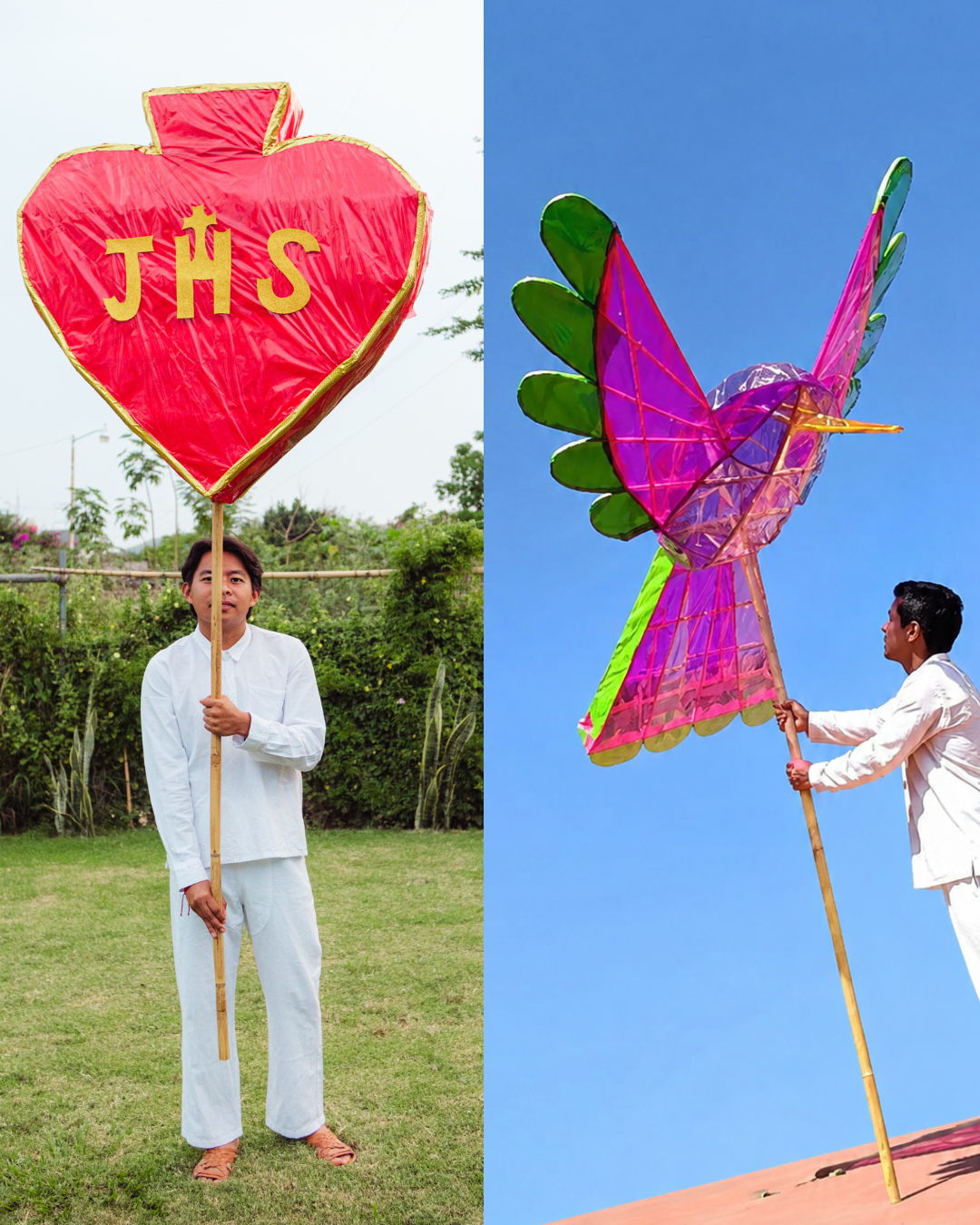
Handmade paper lanterns carried on a pole. They are carried alongside the marmotas to add layers of light and beauty to evening and afternoon calendas.
Istmo
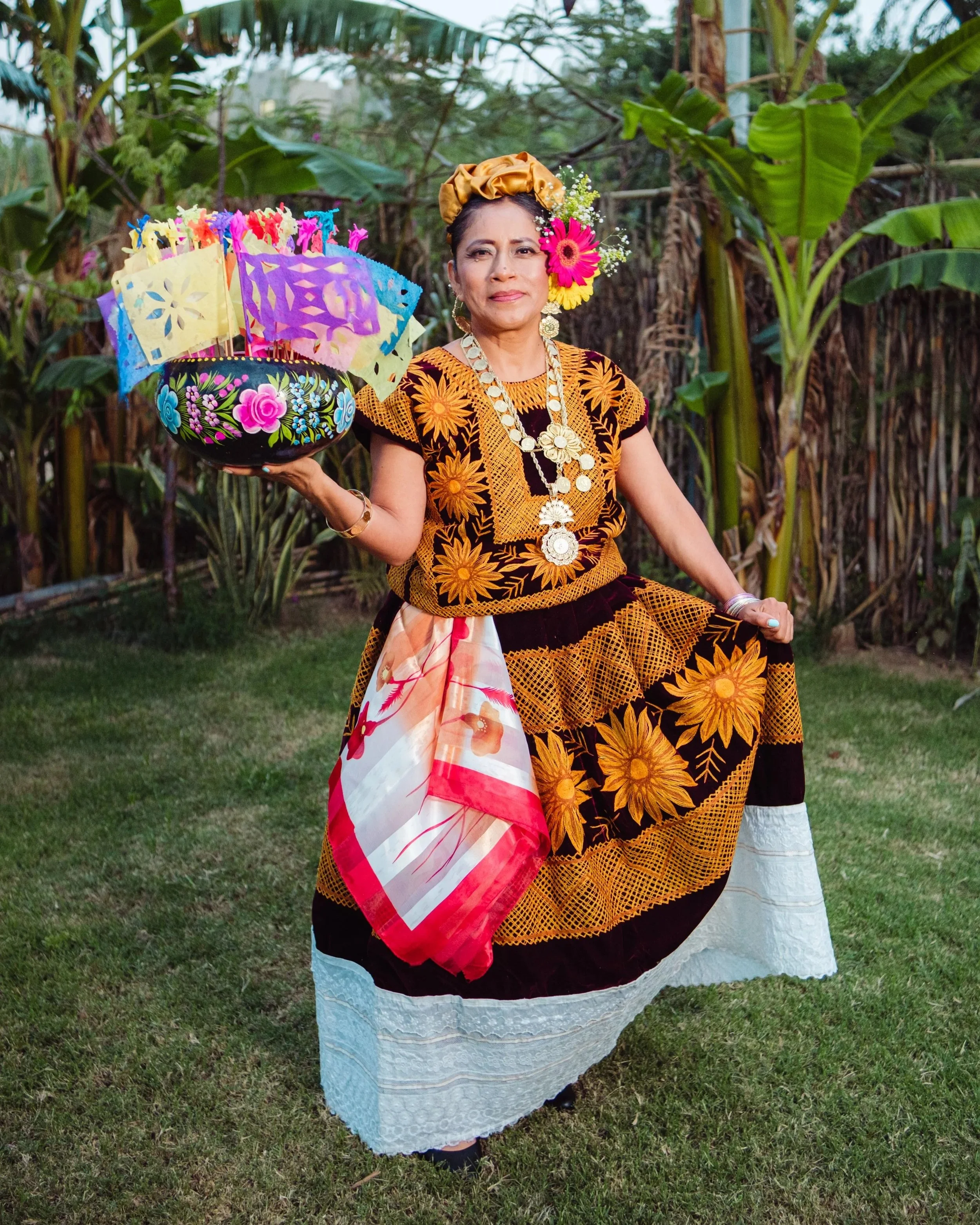
Regional dancers showcasing the diverse cultures of Oaxaca. The Istmeña represents the Isthmus of Tehuantepec, famous for its magnificent hand-embroidered floral velvet dresses and the women´s elegant cadence when they dance.
Pinotepa
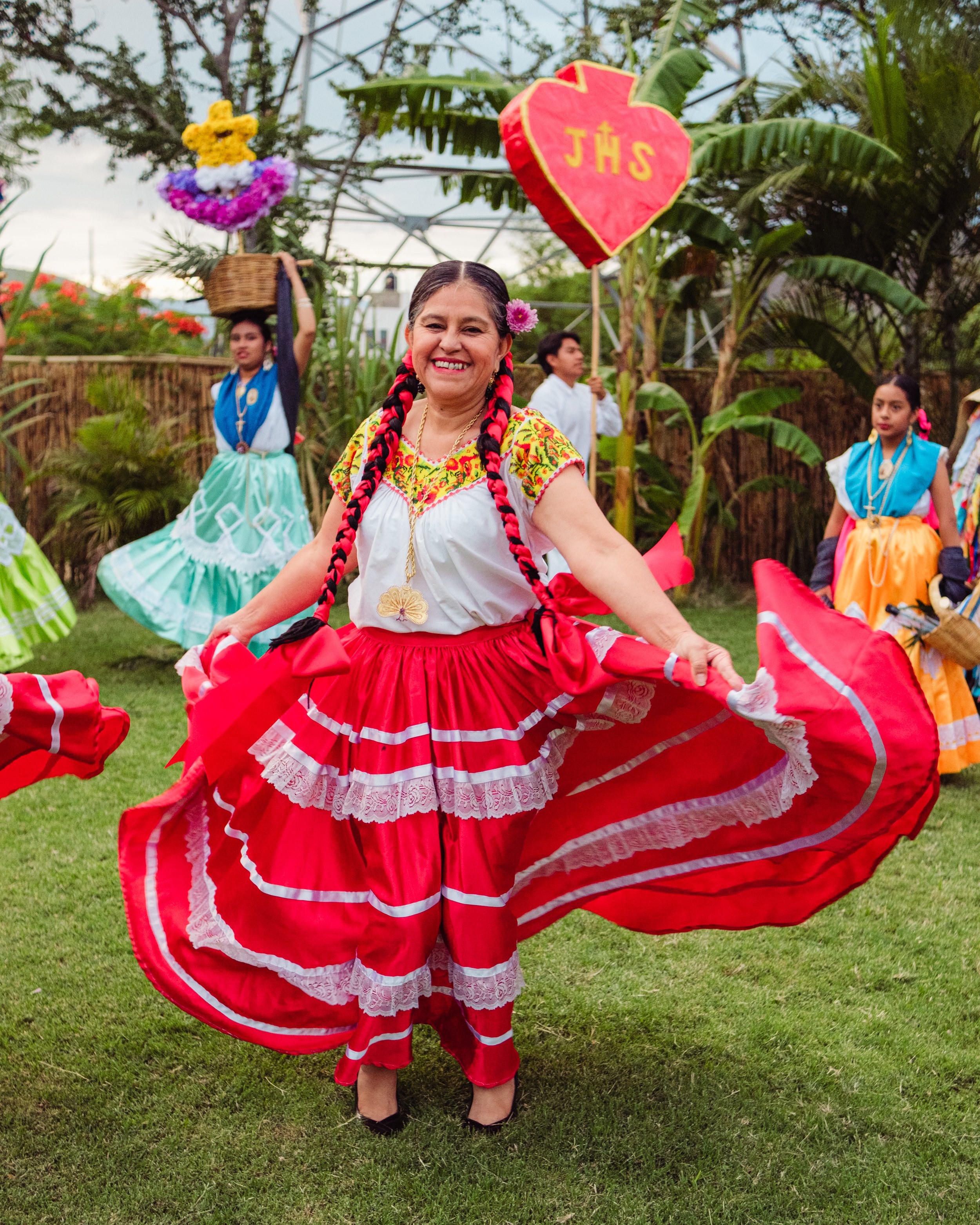
Pinotepa represents the vibrant and energetic coastal region, where mixtec and afromexican heritage converge, known for lively satin skirts and handkerchief movements.
Danza de la Pluma
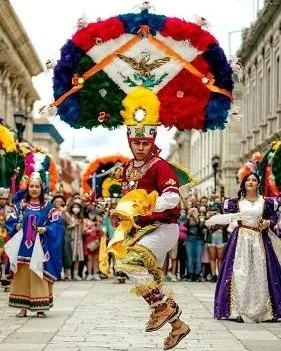
One of the most prestigious traditional dancers of Oaxaca, performing the "Dance of the Feather," which narrates the Spanish Conquest. The dancer wears an spectacular headdress made of bright feathers, performing athletic, rhythmic leaps.
Flor de piña
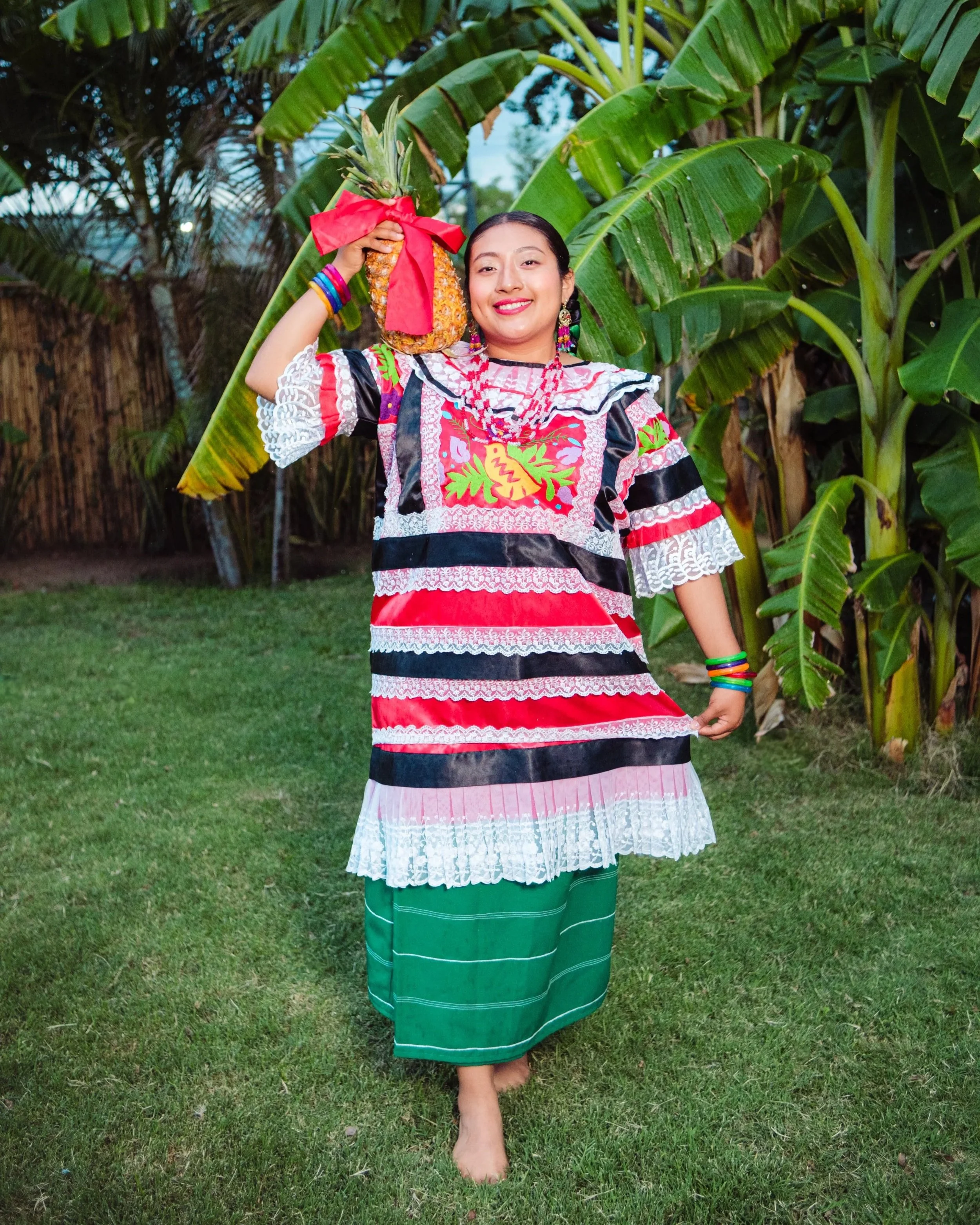
A dancer performing one of Oaxaca’s most famous and synchronized cultural dances from the Papaloapan region. Dressed in an indigenous tunic (huipil), she dances gracefully while carrying a fresh pineapple over her shoulder.